
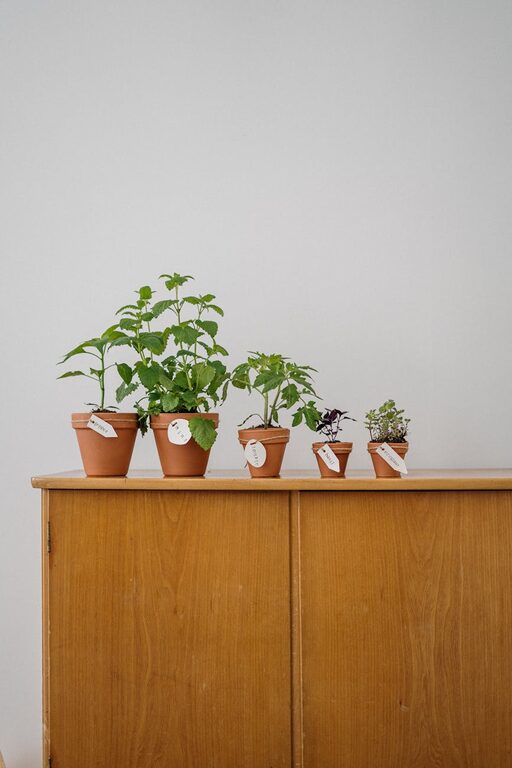
Starting a small herb garden indoors is a rewarding way to enjoy fresh flavors right in your kitchen, regardless of the season. Whether you have a large space or just a sunny windowsill, growing herbs inside is simple and satisfying. This guide will walk you through everything you need to know to start your own indoor herb garden.
Why Grow Herbs Indoors?
Growing herbs indoors offers several benefits:
– Freshness on demand: Pick herbs right from your garden whenever you need them.
– Year-round growing: Indoor conditions protect plants from seasonal changes.
– Space-saving: Perfect for small apartments or homes without outdoor gardens.
– Health and aroma: Herbs add natural fragrance and air quality benefits.
– Creative cooking: Elevate meals with freshly harvested flavors.
Now, let’s explore how to begin your indoor herb garden step-by-step.
Choosing the Right Herbs for Indoor Growing
Start by selecting herbs that thrive indoors and suit your cooking preferences. Some popular and easy-to-grow indoor herbs include:
– Basil: Sweet and aromatic, great for Italian dishes.
– Parsley: Versatile for garnishing and flavoring.
– Mint: Perfect for teas and desserts; grows vigorously.
– Chives: Mild onion flavor, easy to grow.
– Thyme: Hardy and fragrant for many recipes.
– Cilantro: Fresh and tangy, ideal for salsa and salads.
– Oregano: Classic herb for Mediterranean cooking.
Avoid herbs that require very tall or bushy growth, as space is often limited indoors. Starting with a few types will keep your garden manageable.
Selecting Containers and Soil
Containers
For indoor herb gardening, choose containers with good drainage:
– Size: Small to medium pots (4-6 inches) work well.
– Material: Terracotta, ceramic, or plastic pots are common.
– Drainage holes: Essential to prevent overwatering and root rot.
You might consider a window box or self-watering pots designed for indoor gardening.
Soil
Use a light, well-draining potting mix formulated for herbs or vegetables. Avoid garden soil, which can be too dense or contain pests. Good soil ensures roots get enough air and moisture without becoming waterlogged.
Providing the Right Light
Herbs need plenty of light to grow healthy and flavorful leaves:
– Natural light: Place pots on a sunny windowsill facing south or west if possible. Aim for 6–8 hours of sunlight daily.
– Supplemental light: If natural light is limited, use grow lights or LED plant lamps positioned 6–12 inches above the plants, running 12–16 hours a day.
Rotating pots every few days helps plants grow evenly toward the light source.
Watering Tips and Care
Watering
Herbs prefer consistently moist but not soggy soil:
– Check soil moisture by touching the surface; water when it feels dry an inch below.
– Water thoroughly until it drains out of the bottom.
– Avoid letting pots sit in standing water.
Fertilizing
Feed your herbs every 4–6 weeks with a balanced, water-soluble fertilizer diluted to half strength. Over-fertilizing can cause leggy growth and reduce flavor.
Pruning and Harvesting
Regular pruning encourages bushy, healthy plants:
– Snip leaves or stems frequently using clean scissors.
– Avoid removing more than one-third of a plant at once.
– Harvest in the morning after dew dries for best flavor.
Pruning also prevents flowering, which can make herbs bitter.
Managing Common Indoor Herb Pests
While indoor gardens face fewer pest issues than outdoor ones, watch for:
– Aphids: Small, soft-bodied insects usually on new growth.
– Spider mites: Tiny, hard-to-see pests that cause webbing.
– Fungus gnats: Small flies attracted to moist soil.
To manage pests:
– Wipe leaves with a damp cloth or spray with insecticidal soap.
– Avoid overwatering to reduce fungus gnats.
– Keep plants well spaced for good air circulation.
Troubleshooting Common Problems
– Yellowing leaves: Often from overwatering or poor drainage.
– Leggy growth: Usually caused by insufficient light.
– Wilting: Check soil moisture and root health.
– Slow growth: May need more light or fertilizer.
Adjust care routines as needed to ensure your herbs stay healthy.
Indoor Herb Garden Ideas and Inspiration
– Kitchen windowsill: Classic spot for daily convenience.
– Herb garden shelf: Group pots on a tiered shelf near a sunny wall.
– Hanging planters: Useful if space is very limited.
– Herb garden kit: Great for beginners with pre-selected seeds and containers.
Personalize your garden with decorative pots or labels for each herb.
Final Thoughts
Starting a small indoor herb garden is an enjoyable project that brings fresh flavors, greenery, and a sense of accomplishment to your home. With the right herbs, containers, lighting, and care, you can enjoy your own mini-garden all year long. Happy gardening!