
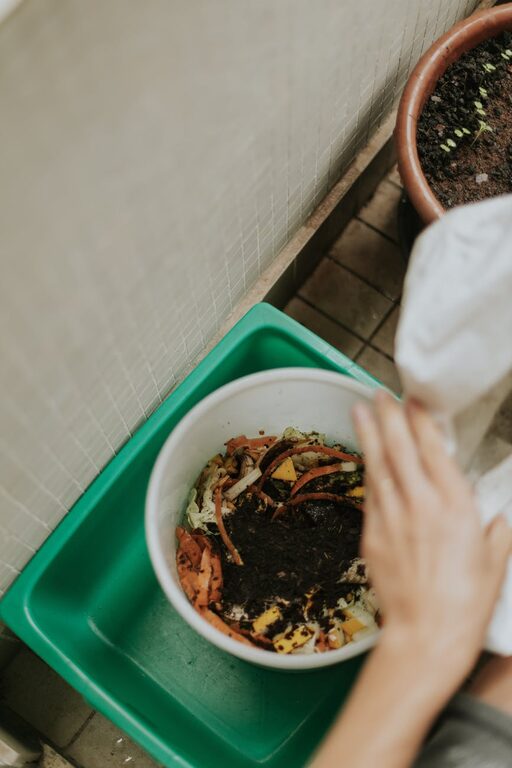
Composting is a fantastic way to reduce household waste and create nutrient-rich soil for your garden. If you’re new to composting, starting can seem overwhelming, but it’s simpler than you might think. This guide will walk you through beginner tips for composting at home, helping you turn everyday scraps into valuable compost.
Why Compost at Home?
Before diving into the how, it’s helpful to understand why composting matters. Composting:
– Reduces the amount of waste sent to landfills.
– Enriches soil naturally without chemical fertilizers.
– Helps retain moisture in garden soil.
– Supports healthy plant growth by providing essential nutrients.
With these benefits, composting is a win-win for both your garden and the environment.
What You Need to Get Started
Starting composting at home doesn’t require special tools or a lot of space. Here’s what you need:
– A compost bin or pile: This can be a simple homemade bin, a purchased compost container, or just a designated spot in your yard.
– Organic materials: A mix of “greens” (nitrogen-rich materials) and “browns” (carbon-rich materials).
– Water: To keep the compost moist.
– A garden fork or shovel: To turn the compost and aerate it.
Choosing a Compost Bin
If you prefer container composting, there are several options to suit different spaces:
– Open pile: Great for large yards, allows easy access and air circulation.
– Tumbler bins: Convenient for small spaces and easy to turn.
– Stationary bins: Available in various sizes, ideal for controlled composting.
Choose a bin that fits your available space and your level of commitment.
What to Compost: Greens vs. Browns
Successful composting depends on balancing two types of materials:
Greens (Nitrogen-Rich)
– Fruit and vegetable scraps
– Coffee grounds and tea bags
– Fresh grass clippings
– Plant trimmings
These materials provide nitrogen, which helps microorganisms break down the compost.
Browns (Carbon-Rich)
– Dry leaves
– Straw or hay
– Paper towels and napkins (unprinted)
– Cardboard and shredded paper
Browns add carbon, which balances the moisture and helps prevent odors.
Materials to Avoid
Not all kitchen or garden waste belongs in your compost. Avoid adding:
– Meat, dairy, or oily foods (can attract pests)
– Diseased plants or weeds with seeds (can spread problems)
– Pet waste (may contain harmful bacteria)
– Treated wood or synthetic materials
Keeping these out ensures your compost remains healthy and safe.
Steps for Home Composting
1. Set Up Your Bin or Pile
Choose a level spot with good drainage, ideally in a shaded or semi-shaded area. Place your bin or start your pile here.
2. Add Materials in Layers
Start with a layer of browns like dry leaves. Then add a layer of greens such as fruit scraps. Continue alternating layers to create a balanced mix.
3. Keep It Moist
Your compost should feel like a damp sponge, not dripping wet. If it’s too dry, sprinkle water. If it’s too wet, add more browns to absorb excess moisture.
4. Turn the Pile Regularly
Every few weeks, use a garden fork or shovel to mix your compost. This introduces air, helping speed up decomposition and prevents odor.
5. Be Patient
Composting takes time — anywhere from a few months to a year depending on conditions. Finished compost is dark, crumbly, and smells earthy.
Troubleshooting Common Problems
– Foul odor: Usually from too many greens or overly wet conditions. Add more browns and turn the pile.
– Slow decomposition: May need more nitrogen (greens), moisture, or aeration.
– Pests: Avoid adding meat/dairy and cover food scraps with browns.
Using Your Finished Compost
Once ready, compost can be mixed into garden soil, used as mulch, or added to potted plants. It improves soil texture, fertility, and water retention, helping your plants thrive naturally.
Final Tips for Beginners
– Chop or shred larger scraps to help them break down faster.
– Keep a small kitchen bin with a lid to collect scraps before adding them to compost.
– Start small and gradually add to your compost as you learn.
– Be consistent—regular turning and moisture balance accelerates results.
Composting is a rewarding activity that reduces waste and benefits your garden. With these beginner tips, you can start turning kitchen and yard scraps into black gold for your plants, all from the comfort of home. Happy composting!